
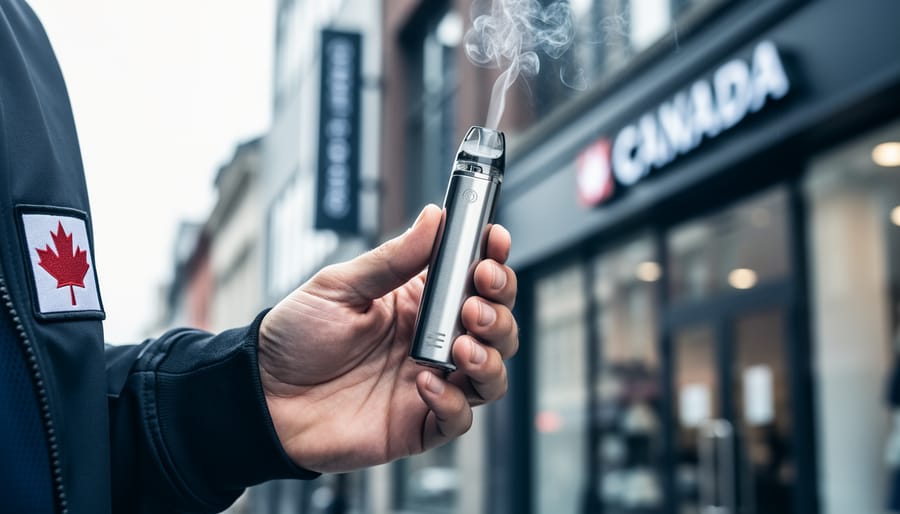
Vaping, the act of inhaling aerosol produced by an electronic device that heats liquid or concentrate, has evolved from a smoking-cessation tool into a visible fashion statement across Canadian youth culture. What began in the early 2010s as a utilitarian alternative to cigarettes has transformed into a style phenomenon, with sleek devices, customizable aesthetics, and social rituals that mirror luxury accessories more than health products.
The trajectory from medical aid to cultural marker accelerated sharply between 2018 and 2024, driven by device design innovation and aggressive social media marketing. In Canada, where vaping regulations vary by province and federal oversight continues to tighten, the practice has become particularly prominent among 18-to-34-year-olds who view it as both a personal choice and a fashion accessory. Devices now come in metallic finishes, limited-edition collaborations, and minimalist designs that fit seamlessly into streetwear and contemporary style.
Understanding the vaping craze requires examining not only the mechanics of how these devices work but also the cultural forces that elevated them beyond function. This article breaks down what vaping is, how the technology operates, the different types of devices and liquids available, and the ways Canadians have integrated vaping into their social lives and personal style. Whether the trend represents a public health concern, a passing fad, or a lasting shift in consumption habits depends largely on regulatory action and evolving attitudes toward nicotine and cannabis use.
For Canadian readers navigating this landscape, staying informed means recognizing both the appeal and the risks that accompany a phenomenon rooted as much in identity as in chemistry.
What Is the Vaping Craze?
The vaping craze refers to the rapid rise in popularity of electronic nicotine delivery systems across Canada, transforming what began as a smoking cessation tool into a widespread cultural phenomenon. At its core, vaping involves inhaling vapor produced by heating a liquid solution, typically containing nicotine, flavoring agents, and a base of propylene glycol or vegetable glycerin. Since entering mainstream Canadian consciousness in the early 2010s, vaping has evolved beyond its original harm-reduction purpose to become a lifestyle choice embraced by diverse demographics, particularly millennials and Gen Z consumers.
Understanding the terminology helps clarify what the vaping craze encompasses:
- Vape
- An electronic device that heats liquid to create an inhalable vapor, used as an alternative to traditional cigarettes or as a recreational activity.
- E-cigarette
- The earliest form of vaping device, typically designed to resemble traditional cigarettes in size and appearance, though now largely replaced by more advanced systems.
- Vape Mod
- A customizable, often high-powered vaping device that allows users to adjust settings like wattage and temperature for a personalized experience.
- Pod System
- A compact, user-friendly vaping device using pre-filled or refillable pods, currently the most popular format among Canadian vapers.
- Vape Culture
- The social movement surrounding vaping, encompassing everything from cloud-chasing competitions to fashion-forward device customization and online communities.
The distinction between vaping as harm reduction and vaping as lifestyle choice marks a critical divide in understanding this phenomenon. Health-focused vapers use devices to reduce or eliminate tobacco consumption, viewing vaping as a stepping stone away from smoking. Lifestyle vapers, conversely, treat vaping as a fashion accessory, social activity, or identity marker, often without prior smoking history. This split has fueled both the explosive growth of the vaping market and the intense public debate surrounding its normalization in Canadian society.
How Vaping Works
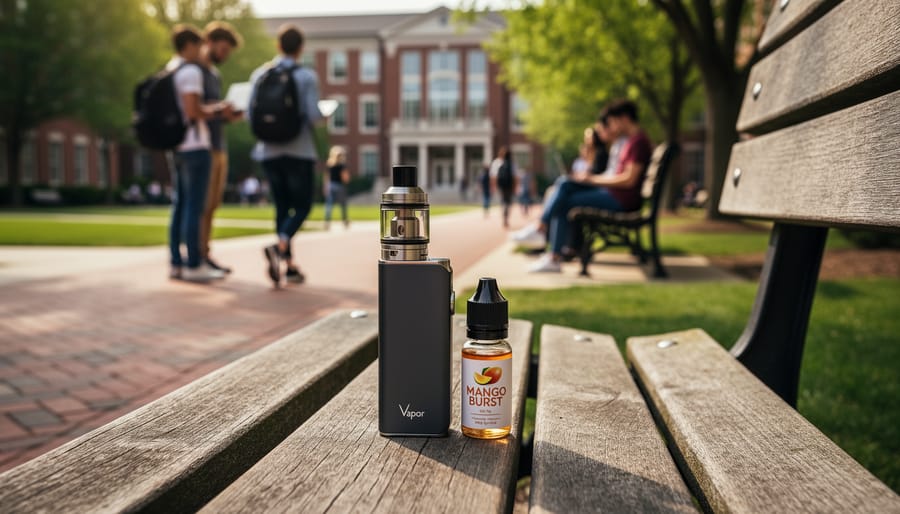
Types of Vaping Devices
The Canadian vaping market offers four main device categories, each attracting distinct user groups based on functionality and aesthetic preferences.
Disposable vapes represent the entry point for many Canadians. These single-use devices come pre-filled with e-liquid and require no maintenance or charging. Their slim profiles and candy-colored exteriors appeal to fashion-conscious users seeking convenience without commitment. Brands like STLTH and Vuse have dominated Canadian convenience stores with sleek, pocket-friendly designs that double as discreet accessories.
Pod systems strike a balance between simplicity and customization. These compact devices use replaceable cartridges and rechargeable batteries, offering users more flavor choices while maintaining portability. The Juul phenomenon exemplified how pod systems became status symbols among younger demographics, with their minimalist aluminum bodies resembling tech gadgets more than smoking alternatives.
Vape pens provide a middle ground for users wanting more control. Cylindrical and slightly larger than pod systems, these devices feature adjustable settings and refillable tanks. Their moderate size appeals to Canadians transitioning from cigarettes who value functionality over fashion.
Box mods represent the enthusiast tier. These bulky, customizable devices feature advanced temperature controls, powerful batteries, and substantial vapor production. While less portable, their rugged industrial aesthetics and personalization options attract hobbyists and cloud-chasing subcultures. Premium Canadian retailers stock high-end mods with leather grips, LED displays, and custom engravings that position them as collector’s items rather than mere nicotine delivery systems.
Vaping as a Canadian Fashion Trend
Design and Aesthetics
Vape manufacturers have transformed their products from purely functional devices into design objects that wouldn’t look out of place in a style magazine. Sleek metal finishes, minimalist geometries, and premium materials like brushed aluminum and ceramic now define the mid-to-high-end vaping market in Canada.
Canadian retailers report strong demand for devices in rose gold, matte black, and iridescent colorways that coordinate with personal accessories. Limited-edition collaborations with streetwear brands and artists have turned certain models into collectibles. Customization has become central to the appeal: interchangeable panels, engraved cases, and LED lighting options let users express individual style.
The shift toward pocket-sized, discreet designs has particular resonance in urban Canadian markets. Devices that resemble USB drives or lipstick tubes appeal to professionals seeking subtlety, while larger box mods with visible batteries and tanks attract enthusiasts who view their devices as conversation pieces. Premium pricing reinforces the luxury positioning, some high-end systems retail for $200 or more, positioning them alongside fashion accessories rather than utilitarian smoking alternatives.
This design evolution has legitimized vaping in style-conscious circles, making the device itself part of the aesthetic statement.
Social Media and Influencer Culture
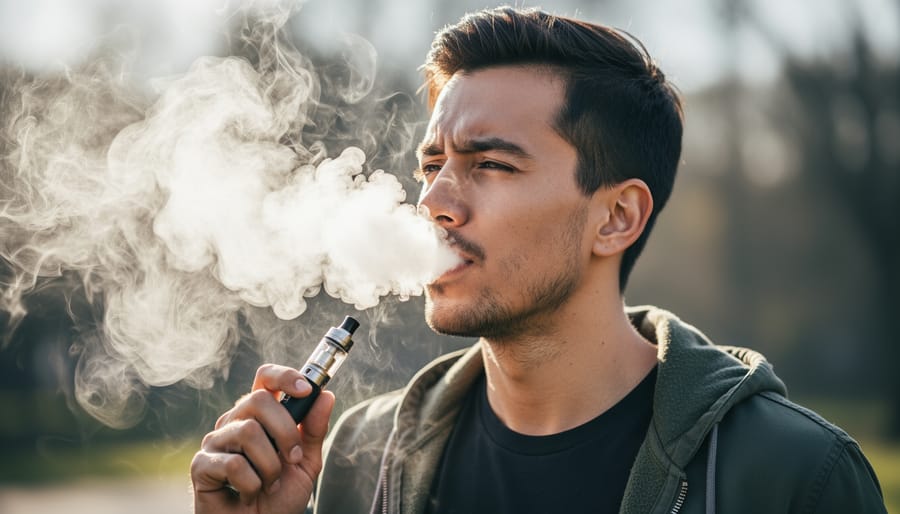
Social media has played a pivotal role in transforming vaping from a niche activity into a visible fashion statement among young Canadians. Instagram feeds and TikTok videos showcase carefully curated vaping moments, where the act itself becomes part of personal branding. Influencers in Toronto, Vancouver, and Montreal frequently feature sleek devices in lifestyle content, positioning vaping alongside designer accessories and streetwear.
Cloud-chasing competitions, where participants produce massive vapor clouds, have gained traction both online and at Canadian vape shops. These events turn technical skill into spectacle, generating shareable content that reaches far beyond traditional vaping communities. The visual appeal of billowing clouds against urban backdrops or neon-lit venues creates Instagram-worthy moments that blur the line between hobby and performance art.
Canadian influencers with followings in the tens of thousands often partner with vape brands, showcasing new devices in aesthetic flat-lay photos or lifestyle vlogs. This normalized visibility has made vaping feel less like a fringe behavior and more like an accepted part of contemporary youth culture, despite ongoing health warnings from medical professionals.
Uses and Contexts of Vaping in Canada
Canadians vape in vastly different contexts, and understanding these settings reveals how the practice straddles utility and style. The practical applications remain rooted in nicotine management: adults transitioning away from combustible cigarettes often carry vape devices throughout their workday, using them during breaks much like traditional smokers once did. Health Canada recognizes vaping as a lower-risk alternative for established smokers, and this harm-reduction framing drives a significant portion of daytime, routine use across age groups.
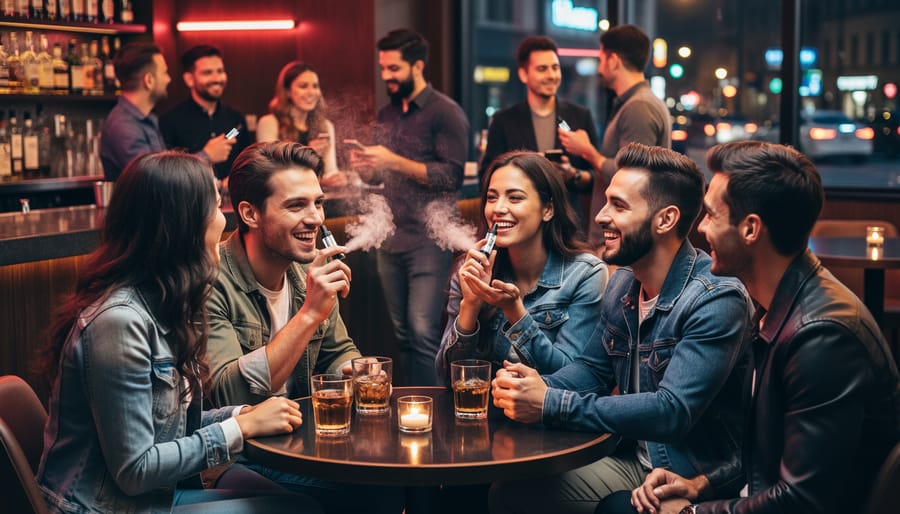
Yet vaping has carved out distinct social territories where fashion and function blur. Nightlife venues, particularly bars, lounges, and patios in Toronto, Vancouver, and Montreal, have become showcases for high-end devices and trick vaping. Young adults in their twenties and early thirties treat vape sessions as shared experiences, passing devices around tables or coordinating flavours as conversation starters. University campuses see another pattern entirely: students vape between classes, often favouring discreet pod systems that fit into curated aesthetics alongside designer bags and sneakers.
Vaping appears regularly in these contexts:
- Outdoor patios and licensed terraces where smoking is permitted
- Music festivals and concerts as both nicotine source and accessory
- Private house parties where cloud competitions become entertainment
- Urban streetwear boutiques catering to fashion-forward clientele
- Gym parking lots and coffee shop exteriors during work breaks
Demographic splits are pronounced. Statistics Canada surveys suggest men aged eighteen to thirty-four comprise the largest fashion-vaping segment, drawn to customization and performance features. Women in the same age bracket favour sleek, minimalist devices that double as evening accessories. Meanwhile, Canadians over forty-five who vape typically do so for smoking cessation, showing little interest in the aesthetic or social dimensions. Geography matters too: metropolitan areas sustain visible vaping cultures tied to nightlife and retail, while rural users approach vaping more pragmatically, prioritizing cost and nicotine delivery over design trends.
Health, Regulatory, and Social Considerations
Vaping’s rise as a fashion trend hasn’t escaped scrutiny from health professionals and policymakers. While some view vaping as a harm-reduction tool for smokers transitioning away from combustible cigarettes, evidence continues to emerge about potential risks. Health Canada acknowledges that vaping products containing nicotine are highly addictive and not risk-free, particularly for youth whose brains are still developing. Concerns include respiratory irritation, cardiovascular effects, and the long-term unknowns of inhaling vaporized chemicals. The appeal of flavoured e-liquids and stylish devices has raised alarms about creating a new generation of nicotine users who never smoked cigarettes.
Canada’s regulatory framework has tightened considerably. Federal legislation restricts where vaping products can be sold, marketed, and used, with strict advertising limitations designed to prevent youth appeal. As of 2026, most provinces and territories have implemented indoor vaping bans similar to smoking prohibitions, and several have raised the minimum purchase age to 19 or 21. Some jurisdictions have gone further, banning certain flavours or restricting the nicotine concentration in e-liquids to reduce appeal and addictiveness.
The social conversation remains divided. Advocates argue that vaping helps adult smokers quit and that overregulation pushes users toward black market products. Critics counter that normalizing vaping through fashion and social media glamorization undermines decades of tobacco control progress. Parents, educators, and youth workers express concern about peer pressure and the subtle marketing that positions vaping as aspirational rather than addressing its addictive nature.
This tension between personal choice, public health, and cultural expression continues to shape how Canadians view the vaping craze beyond its aesthetic appeal.
Frequently Asked Questions
Is vaping legal in Canada?
Yes, vaping is legal for adults across Canada, though regulations vary by province. Most provinces restrict sales to those 18 or 19 and older, and the federal Tobacco and Vaping Products Act regulates product standards, packaging, and marketing.
Why do young people treat vaping as fashionable?
Vaping devices have evolved into aesthetic accessories with sleek designs, customizable colours, and luxury finishes that appeal to style-conscious consumers. Social media culture and influencer promotion have further normalized vaping as a lifestyle choice rather than just a nicotine delivery method.
Is vaping safer than smoking?
While vaping eliminates combustion and many toxins found in cigarette smoke, it still carries health risks, particularly for non-smokers and youth. Health Canada recognizes vaping as a less harmful alternative for adult smokers trying to quit, but not as risk-free.
Where is vaping restricted in Canada?
Most Canadian provinces apply the same restrictions to vaping as smoking, prohibiting it in enclosed public spaces, workplaces, near building entrances, and on school grounds. Some municipalities have added further restrictions in parks and outdoor dining areas.
These questions reflect the complexity Canadians face when evaluating the vaping craze. The phenomenon sits at the intersection of public health policy, personal freedom, and cultural expression, making it a subject of ongoing debate. What started as a smoking cessation tool has taken on dimensions that extend well beyond harm reduction, raising new questions about how societies adapt to emerging technologies and the unforeseen ways people integrate them into their identities and social lives.
The vaping craze in Canada represents a complex intersection of public health, personal choice, and cultural expression. What began as a smoking cessation tool has evolved into a multifaceted phenomenon that reflects broader shifts in how Canadians approach both wellness and self-presentation. The sleek devices that now appear in nightlife venues and social media feeds serve dual purposes: delivering nicotine while making a style statement.
This transformation hasn’t occurred without controversy. Health authorities continue examining long-term effects, regulators adjust policies to address youth uptake, and communities debate whether vaping’s normalization undermines decades of anti-smoking progress. Yet the trend’s momentum suggests vaping has secured its place in contemporary Canadian culture, at least for the near term.
Understanding these evolving trends requires staying informed about developments in health research, regulatory changes, and shifting social attitudes. Postedeveille remains committed to providing Canadians with balanced, fact-based coverage of cultural phenomena shaping our communities. Subscribe to receive timely updates on the stories that matter to Canadians, delivered with the clarity and context you need to form your own perspective.